Insulation Isn't a Bonus Feature. It's the Foundation.
Most people shopping for a cold plunge fixate on the chiller specs or the price tag. But here's what separates a cold plunge that actually performs from one that just looks the part: insulation. Without it, you're fighting a losing battle. Your chiller runs constantly, your energy bill climbs, and your water temperature drifts before you even step in.
We built The Barton with insulation as a core design principle, not an afterthought. Here's why it matters, and why so many cheaper alternatives get it wrong.
Temperature Consistency: The Whole Point
Cold therapy works because of sustained exposure to a precise temperature, typically between 39°F and 59°F. That consistency is what triggers vasoconstriction, reduces inflammation, and activates your body's recovery response. If your tub can't hold temperature, you're not getting the full benefit.
The material your tub is made from matters more than most people realize. Inflatable tubs are made from thin vinyl or PVC with virtually no thermal resistance. Aluminum tubs conduct heat rapidly, pulling warmth from the surrounding environment straight into your water. Neither material gives your chiller a fighting chance.
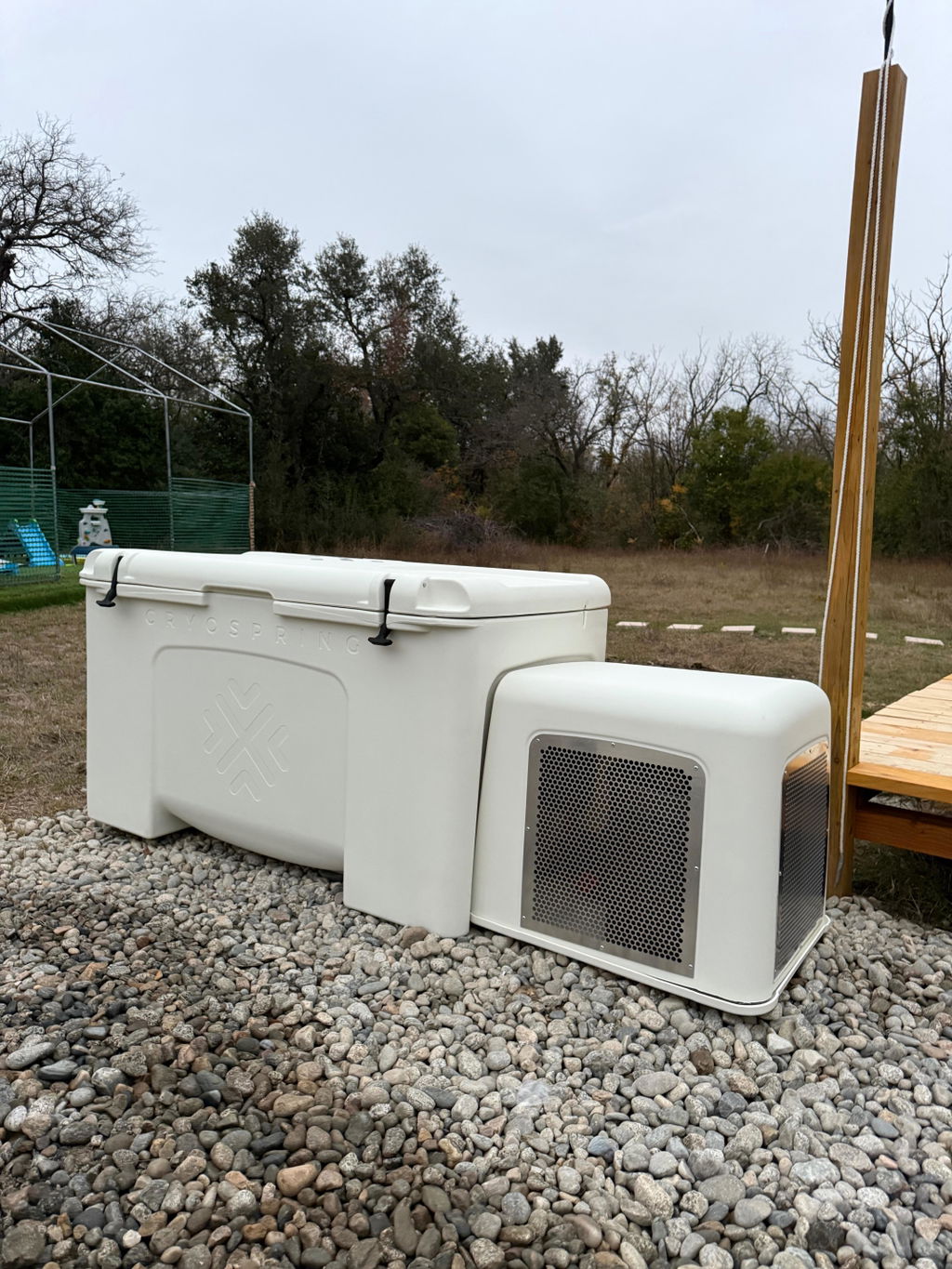
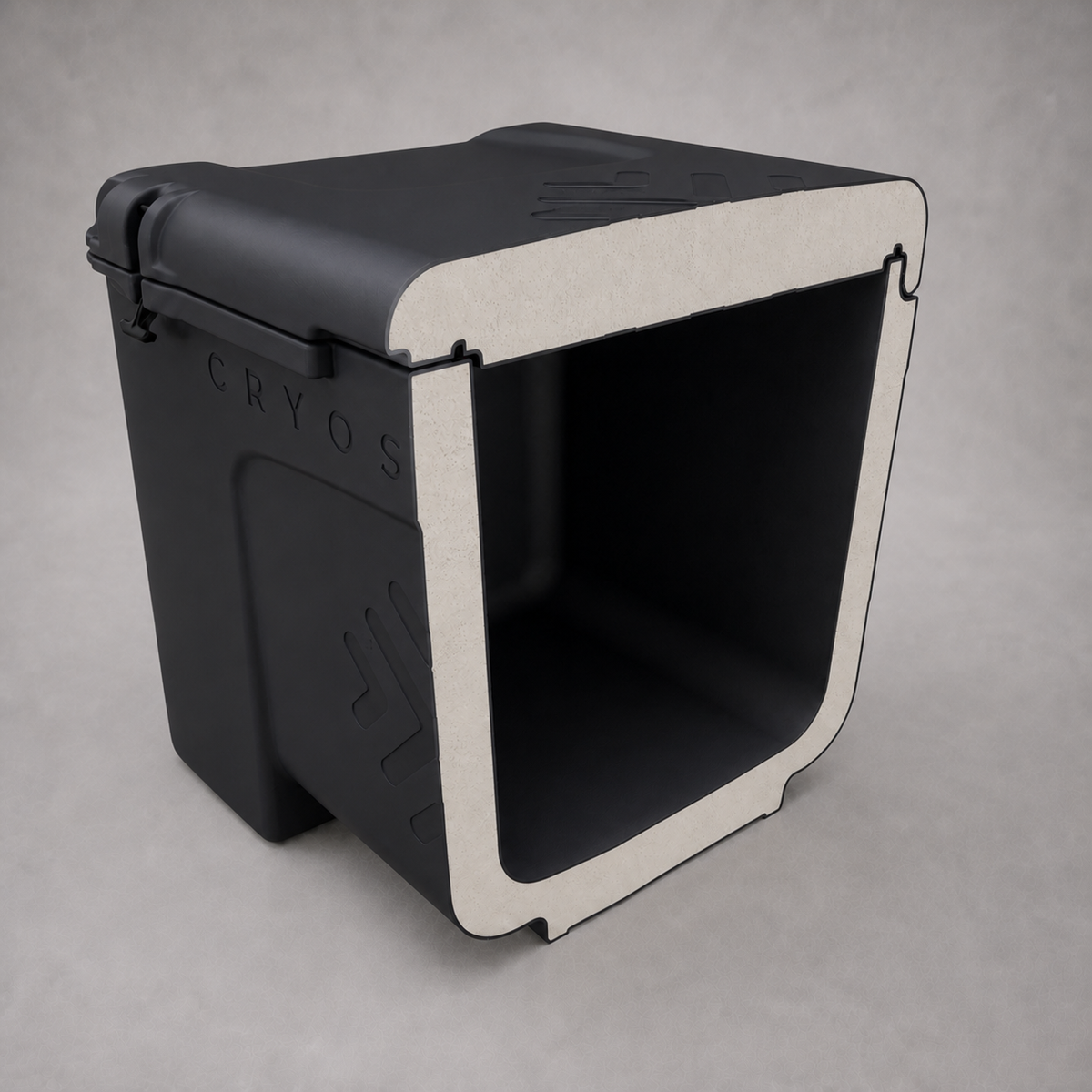
Thick rotomolded plastic is a fundamentally different story. It's a poor conductor of heat, meaning it resists heat transfer rather than inviting it. The Barton is built from rotomolded plastic and filled with pressure-injected closed-cell insulation, which creates an airtight thermal barrier that keeps cold in and heat out. The result is a tub that holds temperature the way it should, in any environment.
Energy Efficiency: What You Pay Every Month
Poor insulation doesn't just affect performance. It hits your wallet. A tub that bleeds cold air forces your chiller to run more cycles, consuming significantly more electricity over time. Budget tubs might look affordable upfront, but the ongoing energy cost tells a different story.
Pressure-injected closed-cell insulation doesn't compress, settle, or degrade the way open-cell foam does. It maintains its thermal performance over years of use. That means The Barton's chiller works less to maintain temperature, with fewer cycles, lower energy draw, and less wear on the system. Efficiency you feel in your recovery and see in your utility bill.
Longevity: Protecting Your Investment
Every time your chiller has to work harder to compensate for heat gain, it's adding stress to the system. More thermal cycling means more mechanical wear and a shorter lifespan for your unit.
Inflatable tubs have no added insulation. Aluminum tubs transfer heat. Thin-walled tubs with minimal insulation force your chiller into overdrive from day one. The Barton is rotomolded and hand-assembled in Minnesota using materials built to last. The insulation isn't just about keeping water cold. It's about keeping your entire system running reliably for years.
What Cheaper Alternatives Get Wrong
Here's where budget cold plunges fall short on insulation:
- Inflatable tubs: thin walls with no meaningful thermal resistance, water temperature rises quickly without constant chilling
- Aluminum tubs: metal conducts heat efficiently in both directions, working against your chiller in any ambient temperature
- Single-wall plastic construction: no insulation layer means heat transfer is limited only by the thickness of the wall itself
- No insulated lid: significant heat gain when the tub isn't in use
These aren't minor differences. They compound over every session, every month, every year you own the tub.
The Barton: Built Different
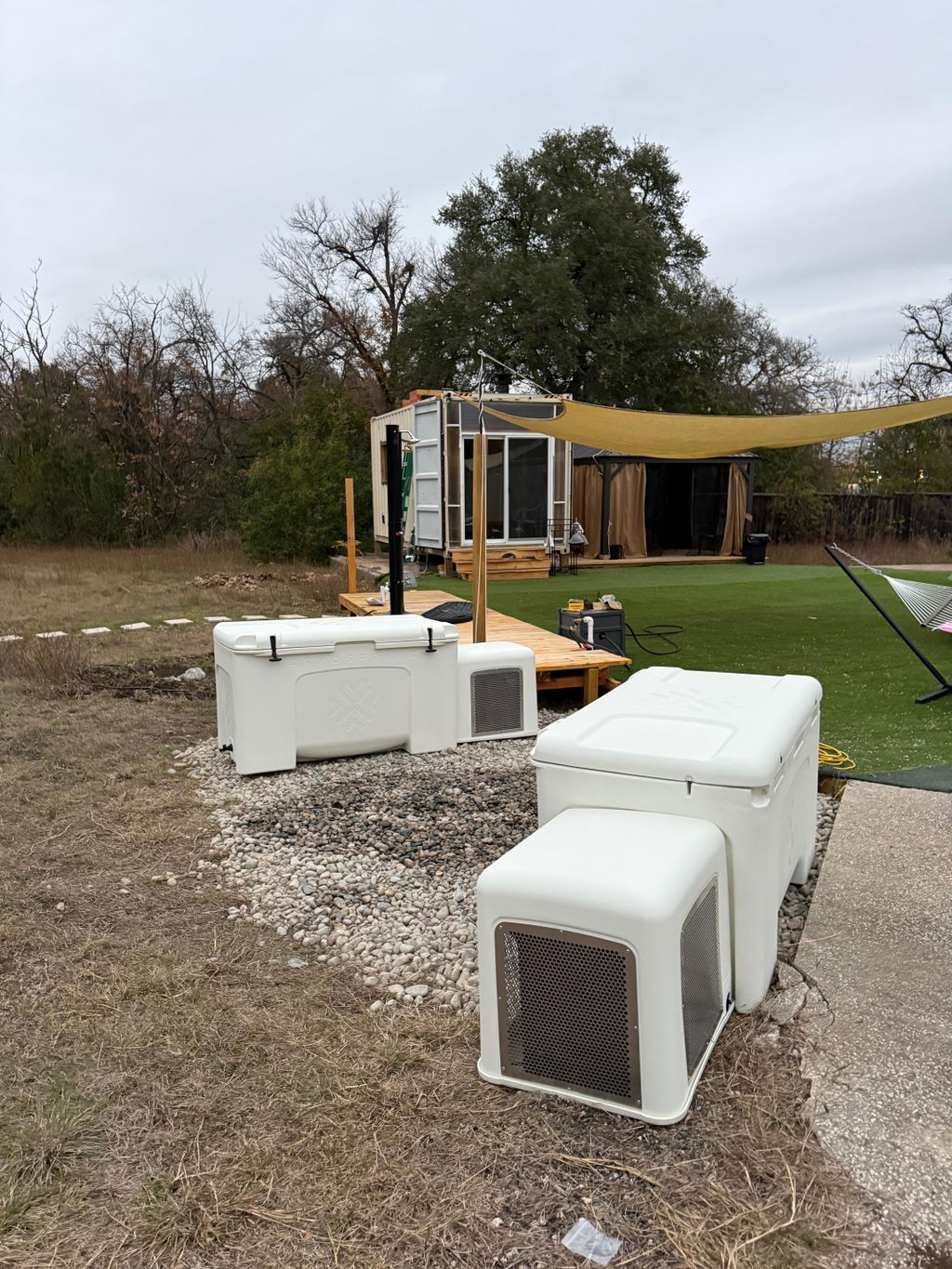
The Barton was designed in-house for people who take cold therapy seriously. Thick rotomolded plastic walls. Pressure-injected closed-cell insulation. An insulated, locking child-safety lid. No exposed equipment or plumbing. A fully serviceable modular design. Every detail exists to make your cold therapy simpler, cleaner, and more dependable, day after day.
Whether you plunge for recovery, resilience, focus, or routine, insulation is what makes the difference between a tub that performs and one that just gets by. The Barton doesn't cut corners. Neither should your cold plunge.