One Box Sounds Convenient. Until It Isn't.
All-in-one cold plunge chillers are everywhere right now. One unit, one plug, done. It's a compelling pitch. But when you look at how these systems actually perform over time, the tradeoffs become hard to ignore.
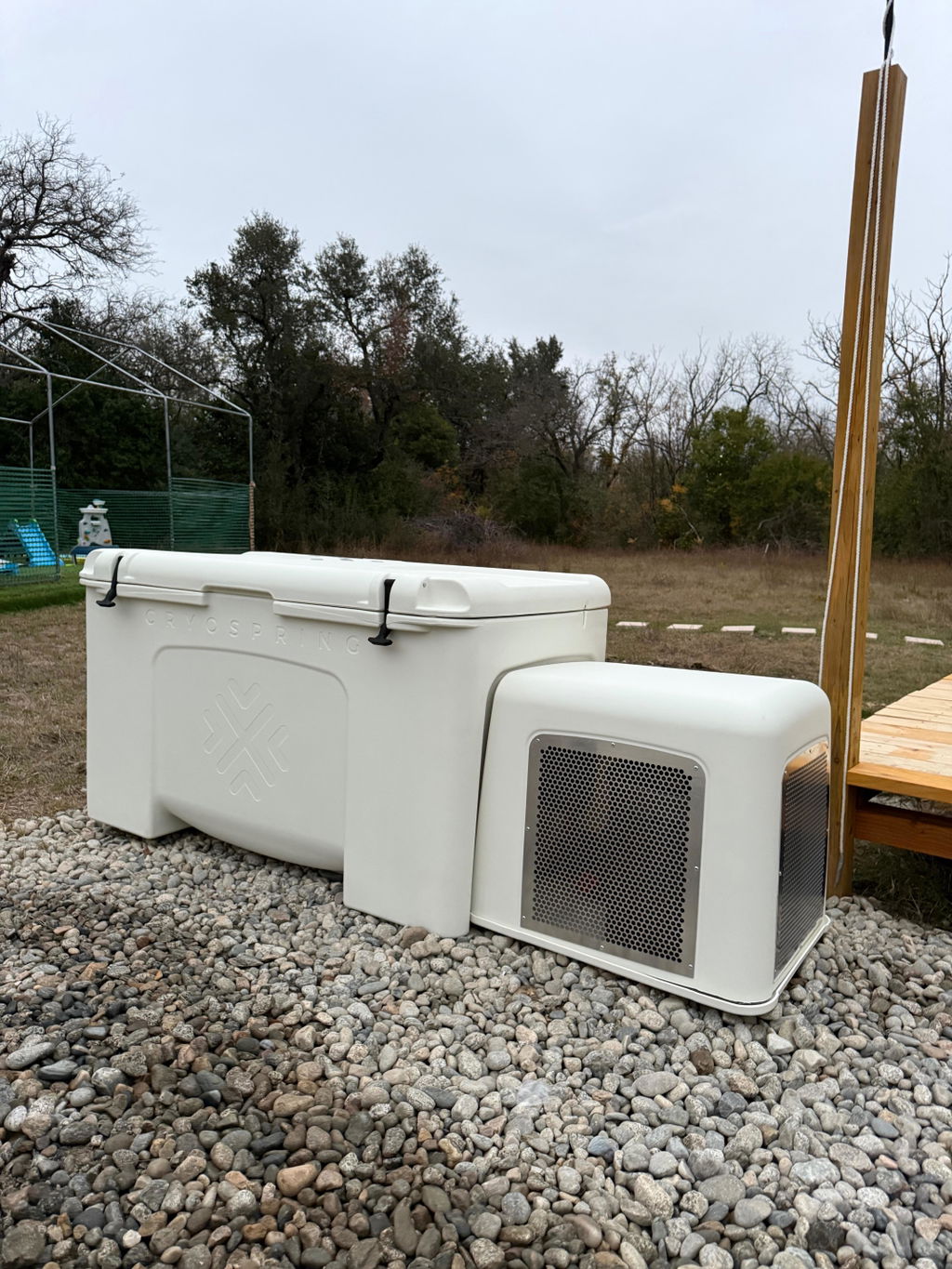
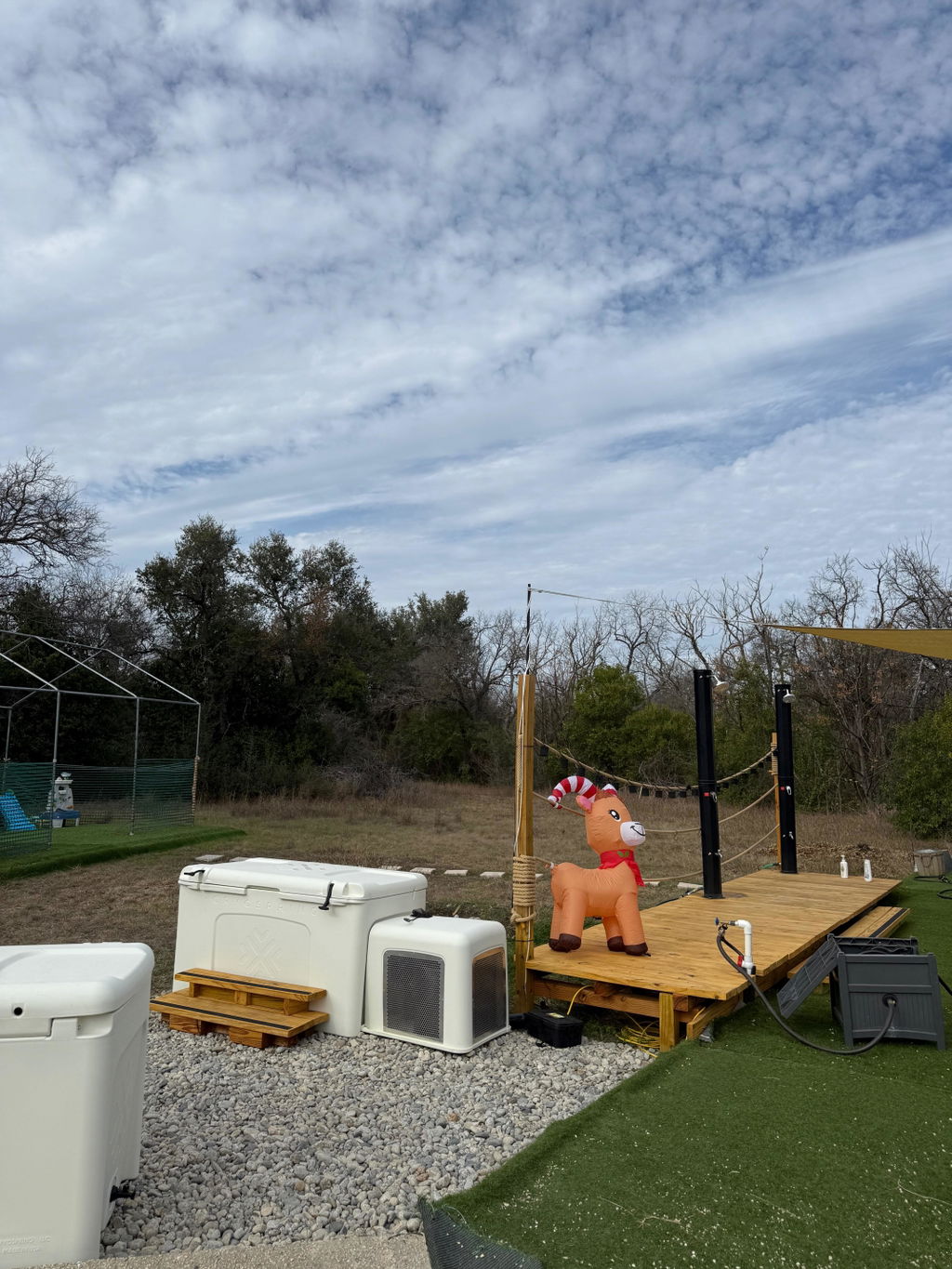
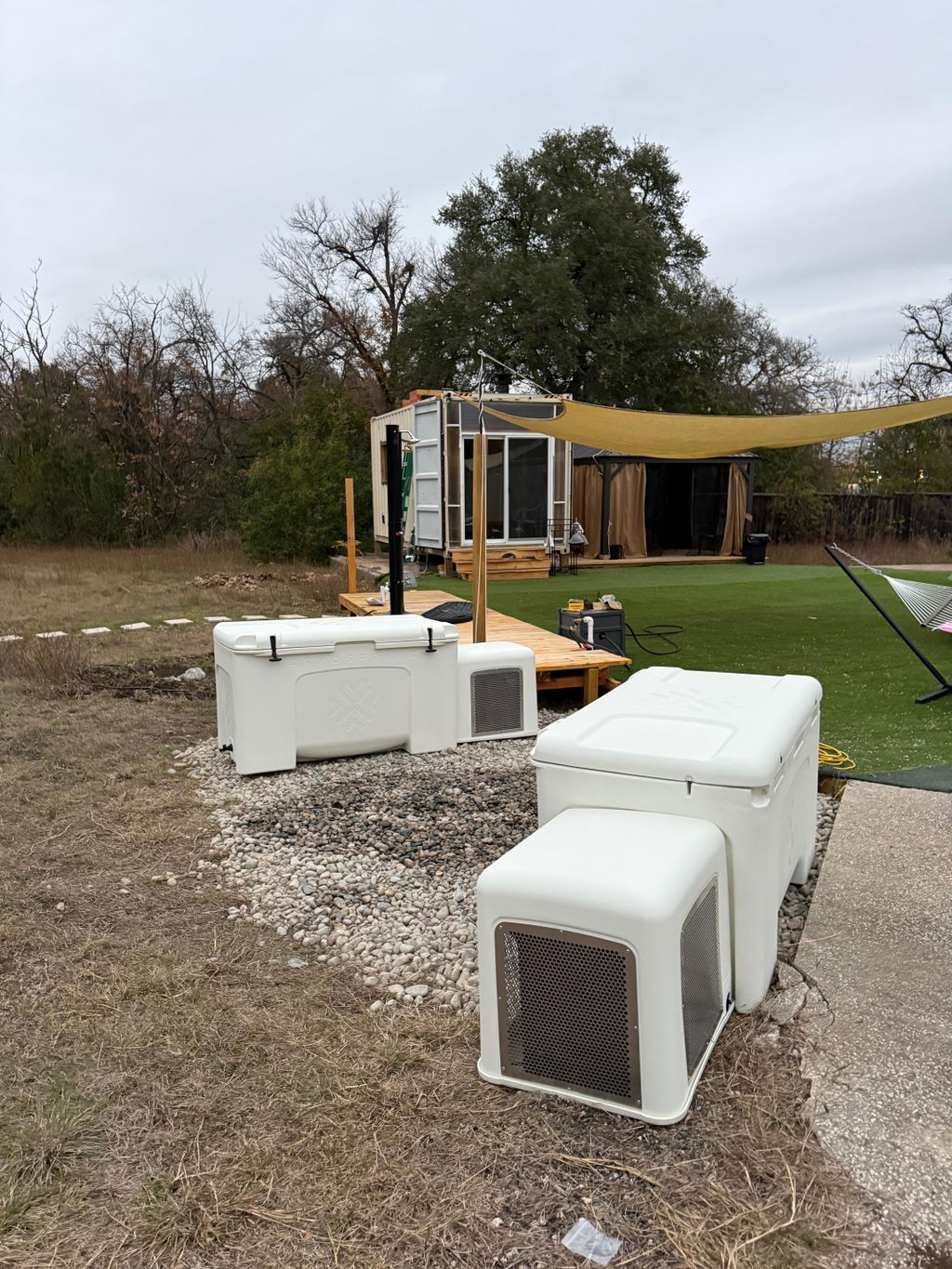
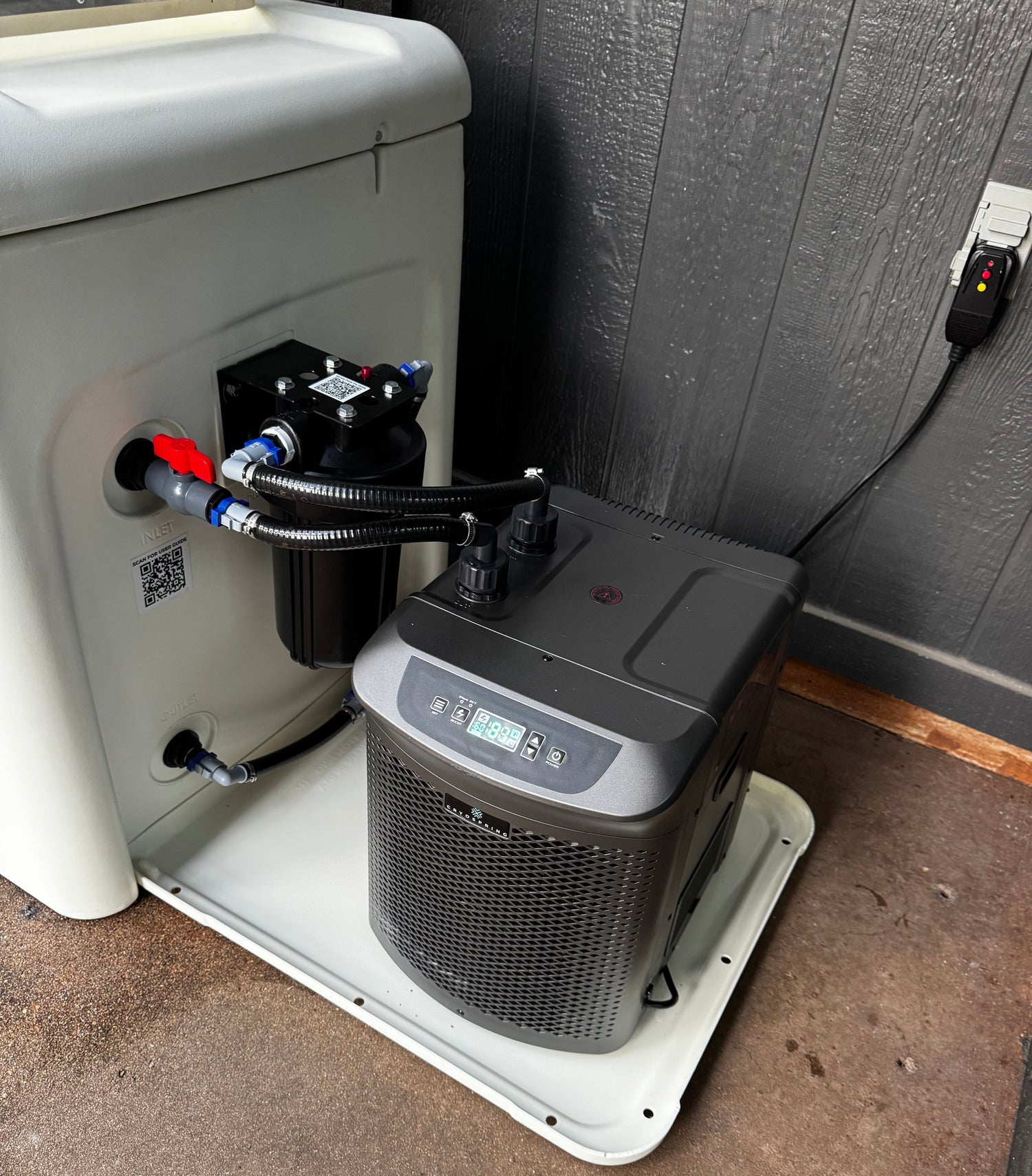
The Barton uses a separate chiller, water pump, and filtration system. Not because it's more complicated, but because it's the right way to build a cold plunge that performs day after day, year after year. Here's why.
Three Jobs. Three Dedicated Systems.
Cooling water, moving water, and cleaning water are three distinct jobs that require three distinct systems optimized for each task. When you combine them into a single all-in-one unit, you're asking one piece of equipment to do everything, and you're accepting the compromises that come with that.
A dedicated chiller is sized and engineered specifically for cooling. A dedicated pump is built to move water at the right flow rate for your tub volume. A dedicated filtration system, paired with ozone sanitation in The Barton, keeps your water clean without relying on chemicals or constant water changes. Each component does its job without being constrained by what the other components need. And because each component is full-sized and purpose-built, nothing is miniaturized to fit inside a shared housing.
Performance That Doesn't Plateau
All-in-one units are typically designed around a middle-ground spec. The chiller is sized to fit the housing, not to cool your tub as efficiently as possible. The pump is whatever fits. The filters are small, often undersized for the water volume they're supposed to clean, and need to be replaced more frequently as a result.
The result is a system that works well enough at first, but struggles to maintain consistent temperatures under real-world conditions, especially in warmer climates or during summer months. When one component is working harder than it should, the whole unit feels it.
Separate systems don't have that problem. Each component operates within its designed parameters. The chiller cools. The pump circulates. The filtration keeps the water clean. No compromises, no bottlenecks.
Bigger Filters. Cleaner Water. Longer Between Changes.
Filter size is one of the most overlooked specs in cold plunge shopping. All-in-one units use compact filters because that's all the housing allows. Small filters clog faster, flow less water per cycle, and need to be replaced more often.
The Barton runs significantly larger filters than anything you'll find in an all-in-one unit. More filter surface area means better particle capture, longer filter life, and more water processed per cycle. Combined with ozone sanitation, it keeps your water genuinely clean between changes, not just clear-looking. When it's time to replace your Barton Cold Plunge Filters, the process is straightforward and the filters are always in stock.
Bigger, Stronger Components Across the Board
The size constraint of an all-in-one housing doesn't just affect filters. It affects everything. Smaller chillers. Smaller pumps. Smaller heat exchangers. Every component is scaled down to fit the package, and scaled-down components work harder, run hotter, and wear out faster.
The Barton uses full-sized, commercial-grade components throughout. A chiller built to cool, not to fit. A pump built to move the right volume of water, not the volume that works within a compact housing. Bigger, stronger components don't just perform better on day one. They hold up over years of daily use in a way that miniaturized all-in-one parts simply can't.
Serviceability: The Part Nobody Talks About
Here's the question most people don't ask before they buy: what happens when something needs to be repaired or replaced?
With an all-in-one unit, a single failed component often means sending the entire system back for service, or replacing the whole thing. That's downtime, shipping costs, and in many cases, a repair bill that makes you question the original purchase.
The Barton is built with a fully serviceable modular design. If your pump needs attention, you service the pump. If your chiller needs a part, you address the chiller. Components can be accessed, diagnosed, and replaced without taking the entire system offline. That's not a small thing when cold therapy is part of your daily routine.
Longevity: Quality Components Last Longer Because They're Better
All-in-one units don't just use smaller components. They use cheaper ones. When the goal is to fit everything into a single compact housing at a competitive price point, something has to give. It's usually the quality of the individual parts.
The Barton is built with commercial-grade components selected for performance, not for how well they fit a box. A higher-quality chiller runs more efficiently and lasts longer. A higher-quality pump moves water more reliably and holds up under daily use. Higher-quality filtration components process more water, capture more contaminants, and maintain their performance over time. These aren't incremental differences. They compound over every session, every month, every year you own the tub.
The Barton is rotomolded and hand-assembled in Minnesota. Every component was chosen because it's the best option for that job, not the most convenient one. The goal was never to build something that works for a season. It was to build something that earns a permanent place in your routine.
The Barton: Engineered for the Long Game
Separate chiller. Dedicated pump. Full-sized filters. Micro-filtration with ozone sanitation. Fully serviceable modular design. No exposed equipment or plumbing. Every system in The Barton exists because it's the best way to do that specific job, not because it was the easiest way to package everything together.
If you want a cold plunge that performs consistently, stays clean, and holds up over years of daily use, the architecture matters. The Barton was built with that in mind from day one.